

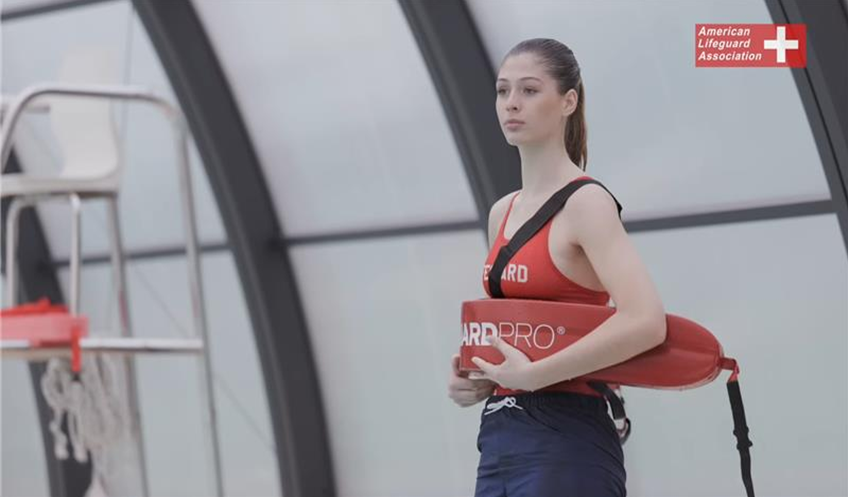
A lifeguard class is the foundation of a rewarding role dedicated to protecting lives in and around the water. Whether at a community pool, beach, water park, or recreational facility, lifeguards are responsible for preventing accidents, responding to emergencies, and ensuring the safety of swimmers. Enrolling in a lifeguard class is the first step toward gaining the knowledge and practical skills needed to perform these important duties effectively.
What Is a Lifeguard Class?
A lifeguard class is a structured training program designed to teach participants how to recognize aquatic emergencies, perform rescues, administer first aid, and provide CPR when necessary. These classes combine classroom instruction with hands-on practice, allowing students to develop both theoretical knowledge and practical experience.
The curriculum typically focuses on water safety, emergency response procedures, surveillance techniques, rescue methods, and communication skills. Students learn how to identify risks, prevent accidents, and respond quickly when emergencies occur.
Why Take a Lifeguard Class?
Drowning and water-related accidents can happen unexpectedly, making trained lifeguards essential in aquatic environments. A lifeguard class prepares individuals to handle these situations with confidence and professionalism.
The training helps participants develop quick decision-making skills and the ability to remain calm under pressure. By learning how to recognize signs of distress and respond appropriately, lifeguards play a critical role in preventing injuries and saving lives.
Read More: Lifeguard Class Near Me: Building Skills for Water Safety and Emergency Response
In addition to preparing individuals for employment opportunities, lifeguard classes teach valuable life skills that can benefit participants in many aspects of their personal and professional lives.
What You Will Learn in a Lifeguard Class
Water Rescue Skills
One of the most important components of a lifeguard class is learning rescue techniques.
CPR and First Aid
Students receive training in cardiopulmonary resuscitation (CPR) and first aid. These skills enable lifeguards to provide immediate care during medical emergencies until professional healthcare providers arrive.
Surveillance Techniques
Effective lifeguards are constantly monitoring the water. Lifeguard classes teach scanning methods that help identify hazards, unsafe behaviors, and swimmers who may need assistance.
Emergency Response Procedures
Participants learn how to respond to a variety of emergencies, including drowning incidents, injuries, severe weather situations, and facility evacuations. Training emphasizes teamwork and following established emergency action plans.
Communication and Leadership
Lifeguards must communicate clearly with swimmers, coworkers, and emergency responders. Lifeguard classes help students develop leadership abilities, confidence, and strong communication skills.
Physical Requirements for a Lifeguard Class
Most lifeguard classes require participants to demonstrate basic swimming proficiency before beginning training. Candidates are often asked to complete swimming assessments that may include distance swimming, treading water, and retrieving objects from deep water.
These requirements help ensure that participants possess the physical abilities needed to perform rescues and respond effectively during emergencies. Maintaining good physical fitness is an important part of being a successful lifeguard.
Who Should Enroll in a Lifeguard Class?
Lifeguard classes are ideal for individuals who enjoy swimming, helping others, and working in active environments. Students, athletes, and anyone interested in public safety often find lifeguarding to be a valuable and rewarding experience.
Read More: Lifeguard Training: The Foundation of Professional Water Safety and Rescue Skills
Many people take a lifeguard class to qualify for seasonal employment at pools, beaches, and recreational facilities. Others enroll simply to gain lifesaving skills that can be used in everyday situations.
Career Opportunities After Certification
Successfully completing a lifeguard class can lead to employment opportunities in a variety of settings, including:
- Public and private swimming pools
- Water parks
- Beaches and waterfronts
- Resorts and hotels
- Community recreation centers
- Summer camps
The skills learned during a lifeguard class can also serve as a strong foundation for future careers in healthcare, emergency services, firefighting, or law enforcement.
The Benefits of Lifeguard Training
Beyond employment opportunities, lifeguard classes help participants build confidence, responsibility, teamwork, and leadership skills. Learning how to respond effectively in emergencies provides a sense of preparedness that can be valuable throughout life.
The ability to perform CPR and first aid can make a significant difference during unexpected situations involving family members, friends, or members of the community.
Final End
A lifeguard class is much more than a certification course; it is a comprehensive training experience that teaches lifesaving skills, emergency response techniques, and water safety practices. Participants gain the knowledge and confidence needed to prevent accidents, protect swimmers, and respond effectively during emergencies. Whether your goal is to become a professional lifeguard or simply learn valuable lifesaving skills, enrolling in a lifeguard class is a meaningful investment in both personal growth and community safety.