

Water safety is a priority at pools, beaches, water parks, and recreational facilities across the country. Behind every safe swimming environment is a trained lifeguard who is prepared to respond to emergencies and prevent accidents before they happen. If you have been searching for a lifeguard class near me, now is the perfect time to learn about the benefits of professional lifeguard education and certification.
What Is a Lifeguard Class?
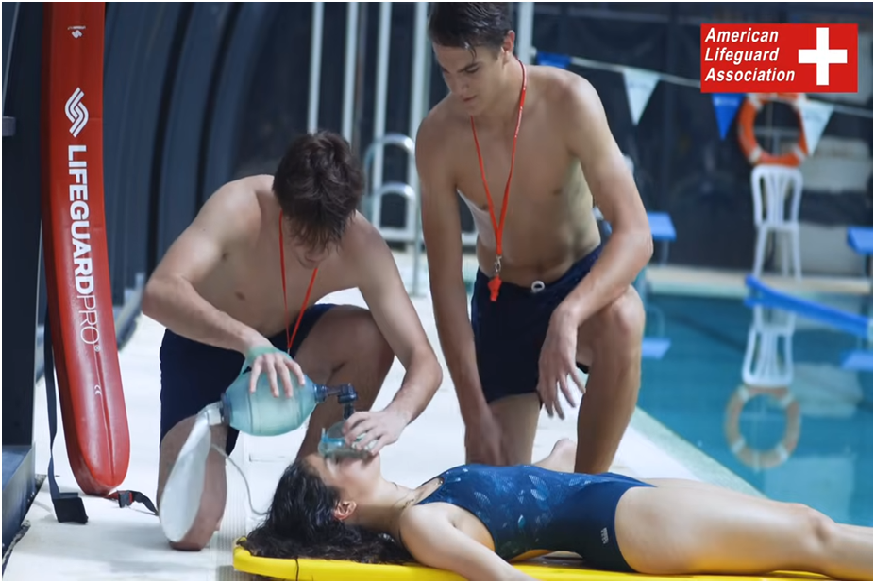
A lifeguard class is a structured training program designed to teach participants how to recognize, prevent, and respond to aquatic emergencies. These classes combine classroom instruction, practical exercises, and hands-on rescue training to prepare students for real-world situations. Most lifeguard class near me programs include training in water rescues, CPR, AED usage, First Aid, and emergency response procedures. The goal is to equip future lifeguards with the skills and confidence needed to protect swimmers and maintain a safe aquatic environment.
Why Lifeguard Classes Are Important
Drowning and water-related injuries remain significant public safety concerns. Lifeguards serve as the first line of defense against these incidents. Their ability to identify potential risks and react quickly can save lives.
A quality lifeguard class near me teaches participants how to:
- Recognize dangerous situations before they escalate
- Perform effective water rescues
- Administer CPR and First Aid
- Handle emergencies calmly and professionally
- Promote safe swimming practices
These skills are valuable not only for professional lifeguards but also for anyone interested in improving water safety knowledge.
Read More: Lifeguard Training: The Foundation of Professional Water Safety and Rescue Skills
What You Will Learn in a Lifeguard Class
Professional lifeguard training programs cover a wide range of topics that prepare students for various emergency scenarios.
Water Rescue Skills
One of the most important components of lifeguard training is learning how to perform rescues safely and effectively. Students practice techniques for assisting distressed swimmers, recovering submerged victims, and removing individuals from the water.
CPR and AED Training
Cardiac emergencies can occur unexpectedly. Lifeguard classes teach participants how to perform CPR and use an Automated External Defibrillator (AED) when necessary. These skills can make a critical difference while waiting for emergency medical services to arrive.
First Aid Knowledge
Lifeguards frequently encounter injuries and medical emergencies. Training includes treatment for cuts, bruises, heat exhaustion, allergic reactions, and other common incidents.
Surveillance Techniques
Prevention is a key responsibility of every lifeguard. Students learn effective scanning methods, risk assessment strategies, and techniques for maintaining constant awareness of swimmers and aquatic conditions.
Who Should Take a Lifeguard Class?
A lifeguard class near me is ideal for individuals who enjoy swimming, helping others, and working in active environments. Common participants include:
- High school and college students
- Athletes and swimmers
- Summer job seekers
- Aquatic facility employees
- Individuals pursuing careers in recreation and public safety
Many programs have minimum age requirements and swimming skill assessments that participants must complete before certification.
Benefits of Completing a Lifeguard Class
Valuable Lifesaving Skills
The most significant benefit of lifeguard training is the ability to save lives. Participants gain practical knowledge that can be applied in both professional and personal situations.
Increased Employment Opportunities
Certified lifeguards are in demand at pools, resorts, recreation centers, beaches, and water parks. Completing a recognized training program can open doors to rewarding employment opportunities.
Leadership Development
Lifeguards are often responsible for making important decisions during emergencies. This responsibility helps build leadership, confidence, and communication skills.
Physical Fitness
Lifeguarding requires strength, endurance, and swimming proficiency. Training programs encourage participants to maintain a healthy and active lifestyle.
Choosing the Right Lifeguard Class
When searching for a lifeguard class near me, it is important to choose a reputable provider. Consider factors such as:
- Certification recognition
- Experienced instructors
- Comprehensive curriculum
- Hands-on training opportunities
- Flexible scheduling options
- Recertification availability
Organizations such as the American Lifeguard Association provide professional training programs that meet industry standards and prepare students for successful careers in aquatic safety.
Career Paths After Certification
Completing a lifeguard class can lead to various career opportunities. Certified lifeguards often work at:
- Public swimming pools
- Private clubs
- Beaches
- Water parks
- Hotels and resorts
- Summer camps
- Recreation centers
Many aquatic supervisors, instructors, and facility managers begin their careers as lifeguards before advancing into leadership positions.
Keeping Your Certification Current
Lifeguard certifications generally require periodic renewal. Recertification courses help professionals maintain their rescue skills and stay informed about updated safety procedures and industry best practices.
Read More: When the Waves Turn Deadly: The Growing Crisis Behind Beach Closures
Regular training ensures that lifeguards remain prepared to handle emergencies effectively and continue providing the highest level of protection for swimmers.
Final Thoughts
Enrolling in a lifeguard class near me is an excellent investment in your future. These classes provide essential lifesaving skills, professional certifications, and valuable experience that can lead to meaningful employment opportunities. Whether your goal is to work at a local pool, a beachfront facility, or a major water park, lifeguard training offers the knowledge and confidence needed to succeed.
A professional lifeguard class not only prepares you for a rewarding career but also gives you the ability to make a positive difference in your community. By learning how to prevent accidents and respond to emergencies, you become an important part of creating safer aquatic environments for everyone.